

RFID file Management System
RFID file management is a system that uses radio frequency technology to track and manage files, improving the efficiency and accuracy of file tracking management. Using RFID tags, documents can be quickly located and identified, reducing the time and effort required for manual searches. RFID file management, in addition to tracking documents, can also provide valuable insights about the use and circulation of documents.

System objectives

System advantages

Implementation process

Required equipment

System objectives

Improve the efficiency of file storage
The traditional management mode, the archives are classified, sorted, and bound first after entering the library, and then the relevant information of the archives box is written manually, which makes the archive file management very inefficient.

Reduced file access time
With the increasing size and type of archives, it is increasingly difficult to find files. Once files are not stored as required, it is very difficult to find them.
Order the file organization
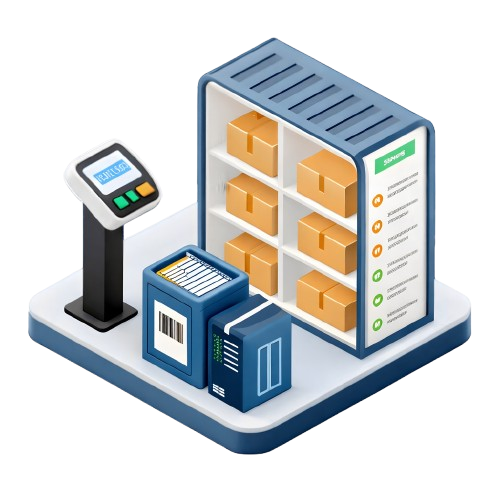
File management is generally stored according to classification, but due to manual operation, negligence and error, the order of file storage is inevitably disrupted, and file storage is becoming more and more disorderly.

Improve the scientific nature of file inventory
Due to the large number of files and the archival materials are packaged in the file box, if you need to inventory the complete file material information, you can only rely on manual identification and record, the workload is very large.
System advantages
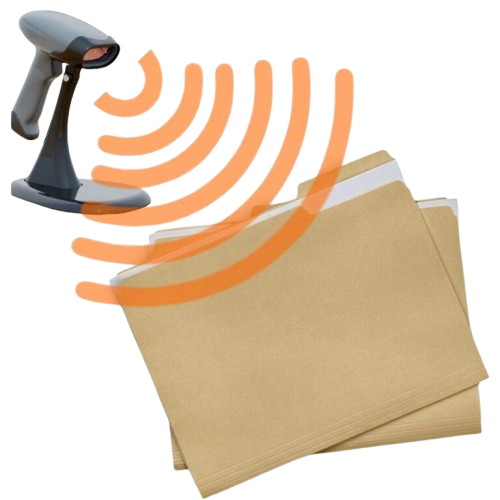
An RFID File Management System is an automated solution designed to track, manage, and secure physical files and documents using Radio Frequency Identification (RFID) technology. Each file is attached with an RFID tag that contains a unique identification code, allowing the system to monitor the file’s location and movement in real time through RFID readers.
This system eliminates the need for manual file registers and reduces human error by automating file check-in and check-out processes. Authorized users can issue or return files quickly by scanning the RFID tag, while the system records all activities, including user details, date, and time. This ensures complete transparency and accountability in file handling.
High efficiency
The inventory rate is fast, the number of inventory labels is more than 300, and the information time can be up to 8 seconds, without error
Informatization
Receive, return, inventory intelligent, no manual processing to improve work efficiency
Automation
Accurate positioning, can be accurately positioned to the tool cabinet cabinet, layer.
The TID or EPC code in the file electronic tag is bound to the file catalog data one-to-one
Intelligentization
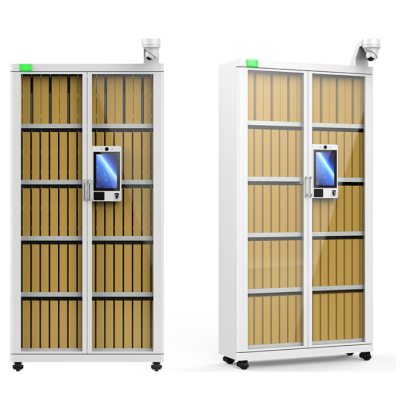
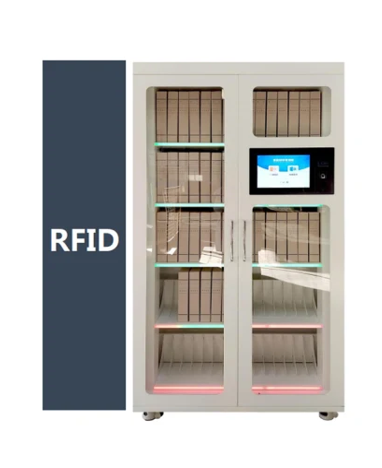
Intelligent file cabinet automatic inventory, lending and return real-time update, access records automatic update system background
Improved Security
Prevents unauthorized access to files, records who accessed a file and when, reduces the risk of data loss or leakage.
Real-Time Monitoring
Tracks file movement in real time, alerts when files are misplaced or removed without permission.
Implementation process
Hardware configuration
Need to buy RFID tags, readers and corresponding hardware equipment. At the same time, according to the actual needs to choose the appropriate file cabinet and system software.
Label paste
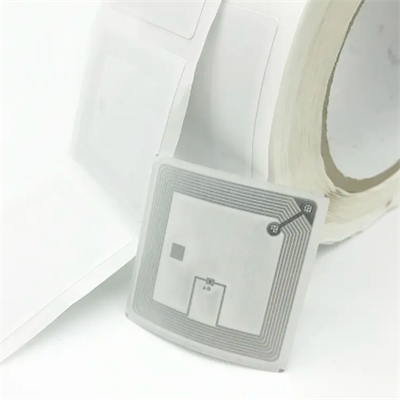
Attach the RFID tag to the file and enter the relevant information into the system.
Scan file
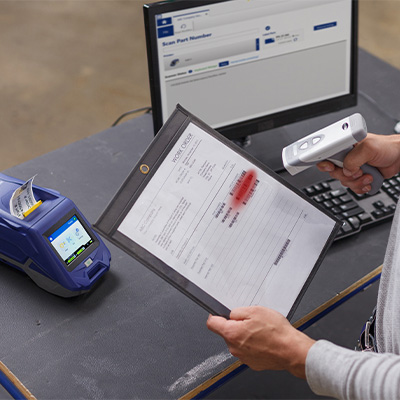
Use RFID reader to scan files and input information into the system.
Daily management
Daily management of files through the system, such as inquiry, inventory, etc.
System maintenance
Maintain and upgrade the system regularly to ensure system stability and security.
Required equipment

RFID smart cabine

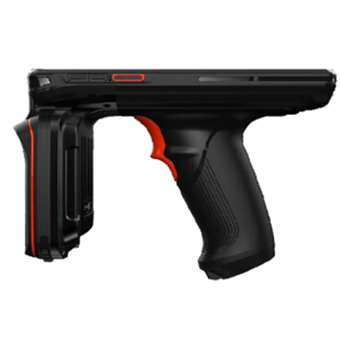
RFID UHF Hand-Held
Model: ST-E7100
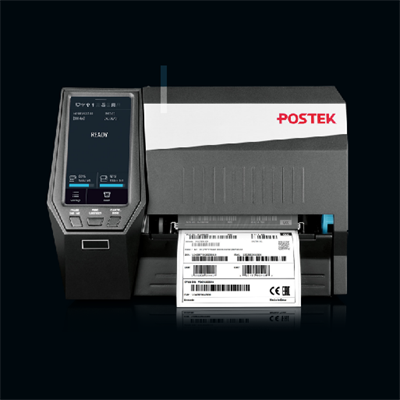
RFID printer
Model: Gx3