

RFID Asset Management System

One-stop solution for asset management

RFID asset management system

RFID asset management system is a set of specialized fixed asset management system, this system greatly improves the efficiency of the asset management department and realizes the operation and management of the whole life cycle of assets. The system provides multiple types of asset management such as daily goods management, low-value durable goods and so on. The system sets up strict process-oriented controls, such as asset registration, asset return, asset transfer, asset maintenance, asset inventory, asset disposal, etc., and also provides automatic early warning and so on.

System objectives

System advantages

Implementation process

Required equipment

System advantages

One-Stop Management

Mainly includes the daily work of adding, modifying, withdrawing, transferring, deleting, borrowing, returning, repairing, and calculating depreciation and salvage rate of fixed assets.

Asset inventory

Real-time data collection via RFID, enabling rapid registration and real-time updating of asset information, while inventory history records are automatically stored and can be retrieved at any time.

Self-inspection/ inspection

Can realize the system automatically assigned or the administrator automatically assigned self-inspection/inspection tasks, the executive can be quickly recorded in the system.

Batch storage

Batch storage of assets can be realized, only need to be automatically scanned by the RFID device into the warehouse, you can synchronize and update the asset entry information to the back office, thus improving the efficiency of the inventory.

Automatic Alarm

The system can view and act on real-time alarm information in the management interface for conditions such as asset loss, illegal tag removal, and unauthorized movement.

Statement analysis

Realize the query management of asset-related management information, personnel and department information, operation status, data reports, etc., and form corresponding data tables according to management needs.

Implementation process

Asset archiving, selection of appropriate RFID tags, configuration of appropriate read/write devices

Attach RFID tags to each asset and encode relevant information about the asset into the RFID chip

Attach RFID tags to each asset and encode relevant information about the asset into the RFID chip

Utilizing data collected by the RFID system to generate analytical reports

RFID asset management systems require regular maintenance. If asset information changes, the associated RFID tags need to be updated in a timely manner.

Required equipment

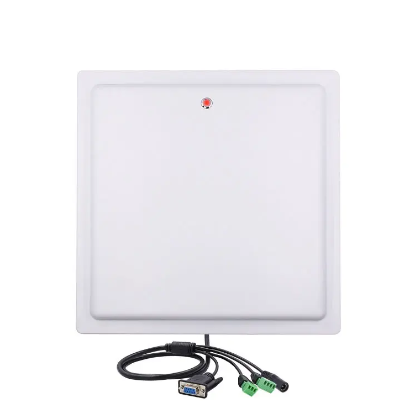
Fixed UHF Long Range Reader

Model ST-P122
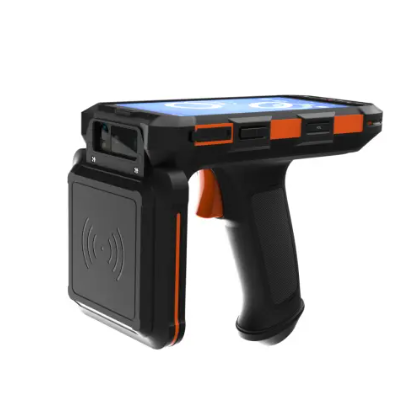
RFID Hand-Held Reader

Model ST-E7100
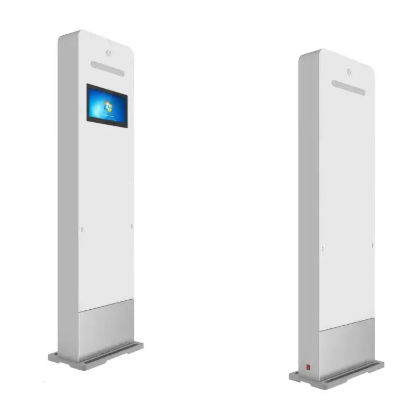
RFID Gate Antenna

Model ST-G7
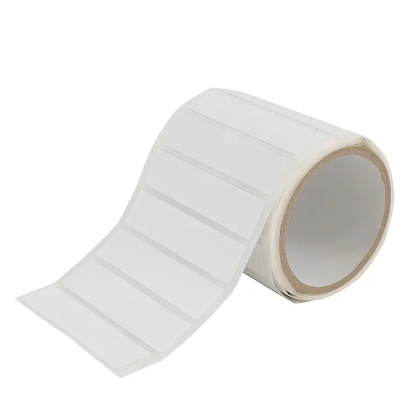
RFID Label printer

Model Tx3r

RFID for Retail Stores Inventory Accuracy, Faster Checkout & Reduced Shrinkage

Get 24/7 access to a network of 20,000+ vetted doctors Available to help you via chat, phone, and video call! With specialists in over 150 categories, you’ll find a professional for your needs.

Achieve Inventory Excellence in Retail with RFID

Pinpoint Inventory with RFID:- Tag inventory with RFID labels and cut down on traditionally manual business processes as part of your retail supply chain.
Retail Inventory & Material Management
Conduct Cycle Counts with Ease Using RFID Use RFID:- handhelds to quickly and efficiently cycle count inventory in retail stores. Improve inventory accuracy so you can provide BOPIS and reduce out of stock situations.
Inventory & Material Management in Retail Stores

What Challenges Are Retailers Facing Today?

Retailers face challenges such as inventory inaccuracies, shrinkage (loss due to theft, errors, or fraud), inefficient supply chain management, high operational costs, and evolving customer expectations. RFID in retail helps address these issues by improving accuracy, enhancing supply chain efficiency, and reducing operational costs.

Retail partnerships

Benefits of RFID in Retail

Improved Inventory Accuracy

RFID provides real-time inventory tracking, significantly reducing errors compared to manual or barcode-based systems.

Enhanced Customer Experience

Faster and more accurate inventory information helps ensure products are available when customers want them.

Reduced Shrinkage

RFID tags can help in reducing theft and loss by providing better visibility into the inventory in the Retail Store.

Labor Efficiency

Automated processes reduce the need for manual scanning and counting, allowing staff to focus on customer service and other tasks.

RFID Retail Implementation Considerations

Lorem ipsum dolor sit amet, consectetur adipiscing elit, sed do eiusmod tempor incididunt ut labore et dolore magna aliqua Lorem ipsum dolor sit amet, consectetur adipiscing elit, sed do eiusmod tempor incididunt ut labore et dolore magna aliqua.

Initial Tagging

One important factor for RFID to be used effectively is the initial RFID tagging to make sure all products have an RFID label or tag.

Integration

Ensuring that RFID systems integrate well with existing retail management software is crucial.

Data Management

Handling the vast amount of data generated by RFID systems requires robust data management strategies.

Applications of RFID in the Retail Industry

RFID Inventory Management

Continuous tracking of inventory levels helps maintain optimal stock levels, preventing overstocking or stock outs in retail stores.

RFID Asset Tracking

Ensuring that high-value assets are accounted for and not misplaced or stolen in retail stores.

Supply Chain Visibility

Tracking goods from the manufacturing to the store shelf provides better oversight and control.

Automated Checkout

RFID-enabled checkouts can speed up the payment process by allowing multiple items to be scanned simultaneously in retail stores.

we’re here to all your questions

Lorem ipsum dolor sit amet, consectetur adipiscing elit. Sed auctor turpis eu arcu sagittis, id sagittis justo suscipit.

Lorem ipsum dolor sit amet, consectetur adipiscing elit. Ut elit tellus, luctus nec ullamcorper mattis, pulvinar dapibus leo.

Lorem ipsum dolor sit amet, consectetur adipiscing elit. Ut elit tellus, luctus nec ullamcorper mattis, pulvinar dapibus leo.