
Smart Retail Evolves with IoT and AI-Powered Differentiation
Eliminating Bottlenecks in High-Density Logistics Environments
- Location :
Mirpur 10, Dhaka 1216
Mirpur 10, Dhaka 1216
3000+* VS133 AI ToF People Counting Sensor &
VS135 Ultra Tof People Counter
Applications
Video
Background
As Bangladesh continues to invest heavily in highways, expressways, bridges, and smart transportation infrastructure, toll management has become increasingly important for ensuring smooth traffic flow and efficient revenue collection. Major transportation routes such as bridges, elevated expressways, and national highways experience a high volume of vehicles every day, creating operational challenges for traditional toll collection systems.Conventional toll collection methods often rely on manual ticketing and cash transactions, which can lead to long vehicle queues, traffic congestion, delayed processing times, and revenue leakage. During peak travel hours and holidays, these inefficiencies become even more visible, affecting both commuters and toll operators.
With the growing demand for intelligent transportation systems in Bangladesh, RFID-based toll management solutions are becoming a highly effective approach for automating toll collection processes. By using RFID technology, automated vehicle identification, and centralized management platforms, toll operators can significantly improve operational efficiency, reduce congestion, and ensure faster vehicle movement across toll plazas.RFID-enabled toll management systems offer a modern and scalable solution that supports seamless toll collection while improving transparency, security, and user convenience. These intelligent systems can help transform Bangladesh’s transportation infrastructure into a smarter, faster, and more efficient ecosystem.
Challenges
Long Vehicle Queues
Manual toll collection processes often create long waiting lines at toll plazas, especially during rush hours and holiday seasons.
Slow Toll Processing
Cash handling and manual verification increase transaction times, reducing the overall efficiency of toll operations.
Revenue Leakage
Traditional systems may face issues related to inaccurate toll collection, unauthorized access, and lack of transaction transparency.
Traffic Congestion
Delays at toll booths contribute to traffic congestion on highways, bridges, and expressways, affecting commuter experience and logistics operations.
Lack of Real-Time Monitoring
Operators often struggle to monitor vehicle movement, toll transactions, and lane activities in real time.
High Operational Costs
Managing manpower, cash handling, and manual reporting systems increases operational expenses for toll authorities.
What Is an RFID Toll Management System?
An RFID Toll Management System is an intelligent automated toll collection solution that uses Radio Frequency Identification (RFID) technology to identify vehicles and process toll payments without requiring vehicles to stop completely.
Each vehicle is equipped with an RFID tag linked to a registered account or vehicle database. When the vehicle approaches the toll plaza, RFID readers automatically detect and verify the vehicle information within seconds. The system then processes the toll transaction automatically and grants access through automated barrier control systems.
By integrating RFID readers, high-performance antennas, vehicle detection sensors, cameras, and centralized software platforms, RFID toll management systems provide real-time monitoring, automated transaction processing, and accurate reporting capabilities.
This smart transportation solution helps reduce congestion, improve toll collection efficiency, minimize human errors, and enhance the overall travel experience for commuters and logistics operators across Bangladesh.
Solutions
RFID-based toll management solutions provide a faster, smarter, and more efficient approach to handling toll collection operations across highways, bridges, tunnels, and expressways in Bangladesh. By automating vehicle identification and toll payment processes, the system significantly reduces waiting times and improves traffic movement. The solution uses UHF RFID technology to identify vehicles automatically as they approach toll booths. Integrated barrier systems can open automatically after successful verification, minimizing the need for manual intervention. Real-time transaction data is instantly synchronized with the central management platform, enabling operators to monitor toll activities and vehicle movement continuously.
The system can also integrate with license plate recognition cameras, centralized databases, financial systems, and traffic monitoring platforms to provide enhanced operational control and improved transparency. With reduced cash handling and automated digital records, toll authorities can minimize revenue leakage while improving reporting accuracy and operational efficiency. RFID toll management systems can play a major role in supporting Bangladesh’s vision for smart transportation infrastructure by enabling faster traffic flow, better commuter experiences, and more scalable toll operations.
Main Features
Automated Vehicle Identification
Group Counting
- Objective: Automatically identify vehicles using RFID tags as they approach toll lanes.
- Benefits: Reduces manual verification processes, speeds up toll transactions, and minimizes vehicle waiting times..
Fast & Contactless Toll Collection
Flow Analytics
- Objective: Enable seamless and contactless toll payment processing.
- Benefits: Improves traffic flow, reduces congestion, and enhances convenience for drivers and transport operators.
Real-Time Monitoring
Queue Management
- Objective: Monitor toll transactions, vehicle movement, and lane activities in real time.
- Benefits: Improves operational visibility, enhances security, and enables faster incident response..
Centralized Management Platform
Heat Mapping
- Objective: Manage toll operations, transaction records, and reporting from a centralized system..
- Benefits: Simplifies administration, improves data accuracy, and supports efficient decision-making.
Integrated Security & Surveillance
Conversion Rate
- Objective: Integrate RFID systems with cameras and vehicle monitoring technologies.
- Benefits: Enhances security, supports vehicle tracking, and improves toll plaza monitoring capabilities.
Featured Products
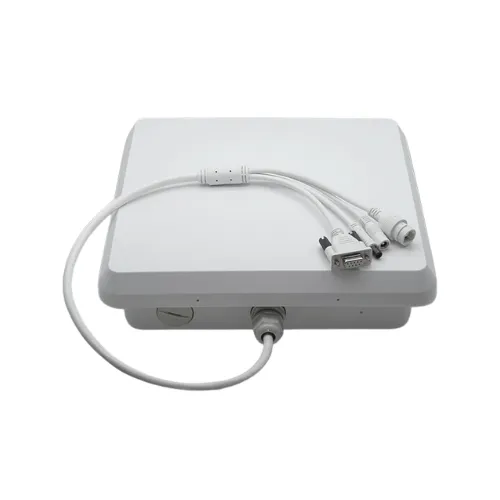
Key features
- OS: Android 11 Go
- Processor: Quad-Core 2.0 GHz
- Memory: 2GB RAM + 8GB Storage
- Scan: Reads QR & Barcode (100–150mm)
- Connectivity: 4G, WiFi, Bluetooth, GPS
- Display: 4″ IPS Touchscreen (480×480)
Result
Faster & Smoother Traffic Flow
RFID-enabled toll collection minimizes vehicle stopping time and significantly reduces traffic congestion at toll plazas, highways, and expressways, ensuring a faster commuting experience.
Improved Revenue Accuracy & Transparency
Automated digital toll collection reduces manual errors, minimizes revenue leakage, and provides accurate transaction records for better financial transparency and reporting.
Scalable Smart Toll Infrastructure
RFID toll management systems can integrate with ANPR cameras, digital payment gateways, and centralized traffic management platforms, supporting the development of smarter transportation infrastructure in Bangladesh.
Versatility and Adaptability
The VS133 AI ToF people counting sensors can be used in various environments and can be integrated with other systems, such as security systems, HVAC control, and customer management software, to enhance overall operational efficiency.