

RFID Warehouse Management System

Smart RFID Warehouse Solutions in Bangladesh

RFID Warehouse Management System

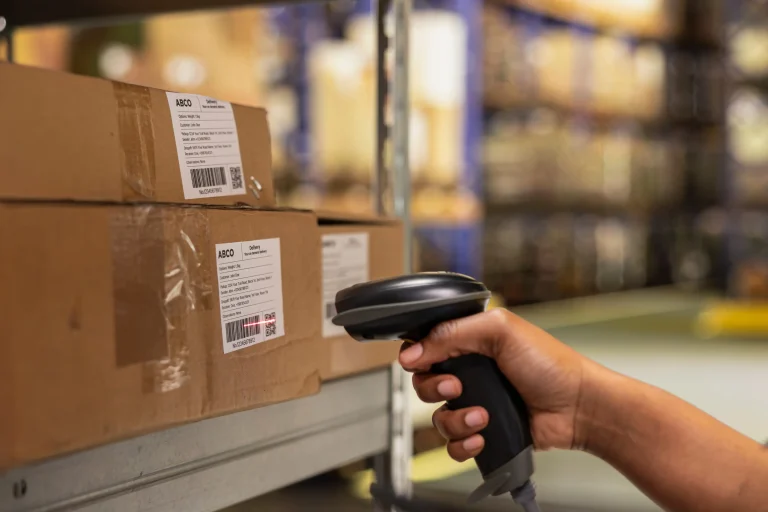
An RFID (Radio Frequency Identification) warehouse management system is a high-performance, tech-driven framework that transforms how inventory is tracked, localized, and optimized within modern distribution centers. This solution harnesses the speed of RFID technology to automate critical workflows and streamline complex logistics, delivering measurable gains in operational speed, data precision, and total facility throughput. At the heart of an RFID warehouse management system is the deployment of RFID tags, which are fixed to specific products, pallets, or shipping assets. These smart tags store unique data profiles that are captured instantly by strategically positioned RFID readers across the site. This enables hands-free, real-time visibility without the need for line-of-sight scanning, ensuring your data is always current and actionable.

procedure

System Goal

advantage

System advantages

implementation

Implementation process

cpu

Required equipment

System Goal

—Pngtree—3d illustration of two cartoon_23212352

Real time tracking and positioning

RFID technology monitors the precise location of inventory and mobile assets across your facility in real time. Unlike traditional barcodes, RFID does not require a direct line-of-sight; it can identify and track items instantly, even when tucked into deep corners or stacked on high-density, multi-layer racking systems.
Auto Data Collection

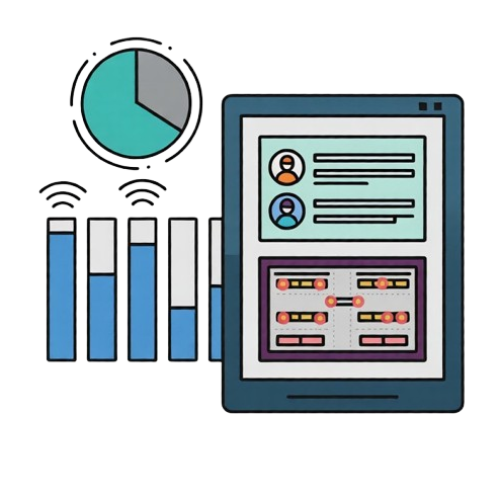
Automated data collection

The RFID ecosystem captures and records tag data automatically, eliminating the need for manual scanning. This hands-free approach drastically reduces human error and administrative bottlenecks, ensuring that your central database reflects 100% accurate, live inventory levels without manual data entry.
m3pd4pc521rmy0cvtpvr5hqxh4-removebg-preview

Optimized Operational Efficiency

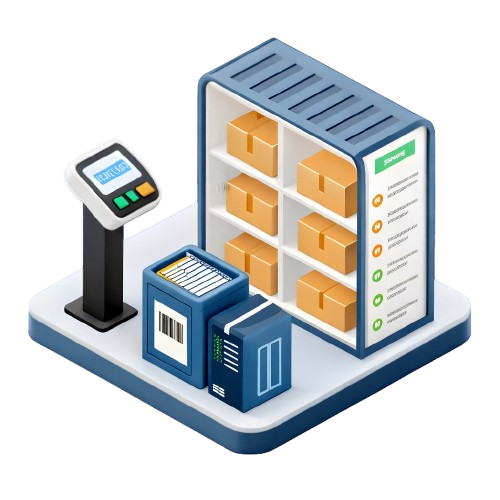
RFID integration accelerates every stage of the warehouse workflow. Staff can locate, verify, and process stored goods in seconds rather than minutes, slashing search times and labor costs. This streamlined movement optimizes the entire supply chain, from receiving docks to final outbound shipping.

Screenshot__3_-removebg-preview

Enhanced Security & Inventory Accuracy

By maintaining rigorous oversight and rapid identification of every asset, RFID minimizes the risks of shrinkage, misplacement, and theft. The high-fidelity data empowers managers to make informed, proactive decisions, significantly raising the standard of security and warehouse management precision.
System advantages

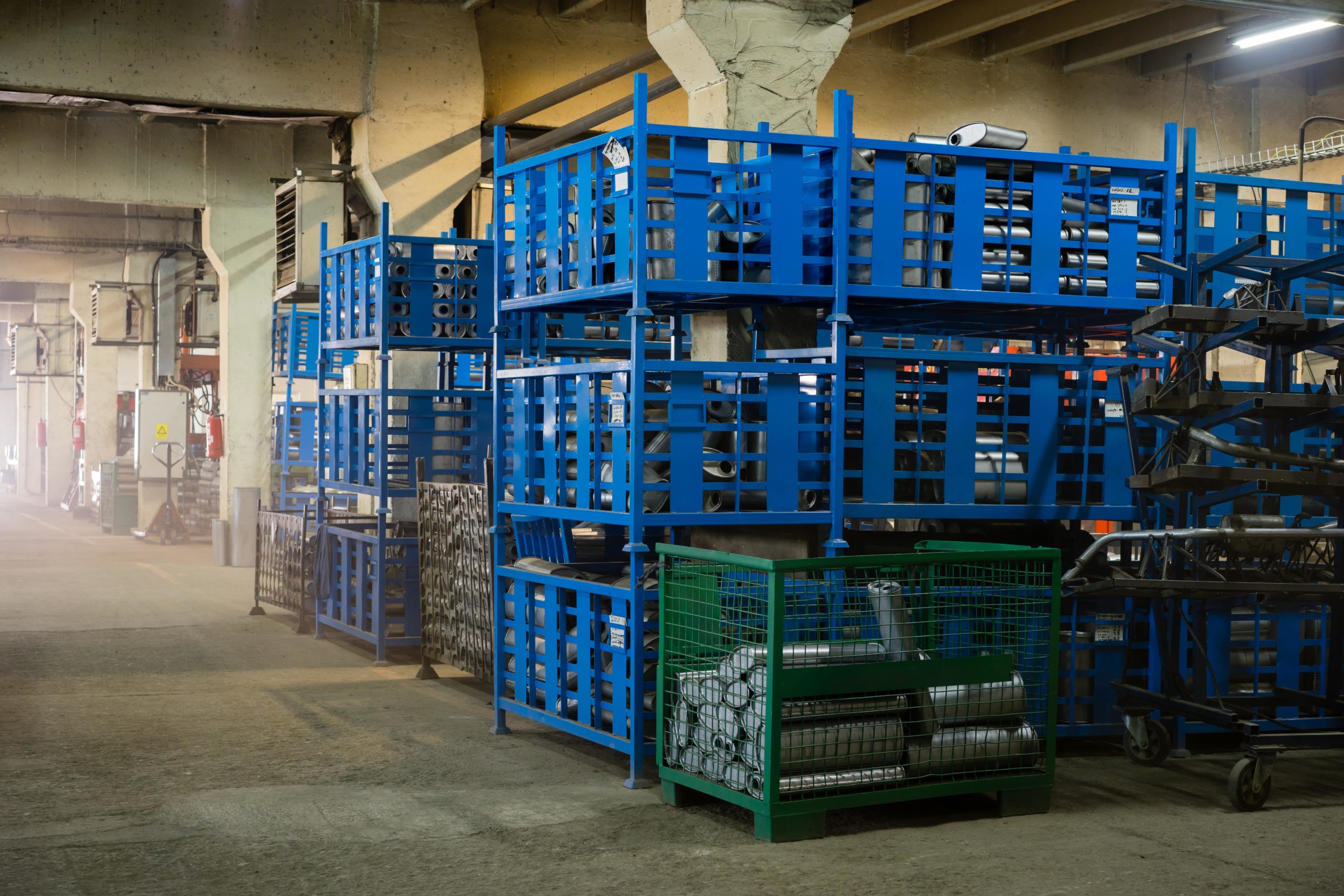
In warehouse environments, RFID automates data capture for every stage—from receiving and put-away to transfers and outbound shipping. This ensures high-speed accuracy, allowing businesses to maintain real-time inventory control and eliminate the bottlenecks associated with manual data entry.

Strategic RFID coding also simplifies tracking for product batches and expiration dates. By automating shelf-life management, enterprises can optimize stock rotation, reduce waste, and maintain a highly organized, efficient distribution center.

Implementation process

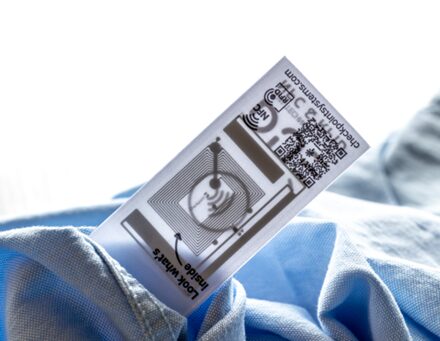
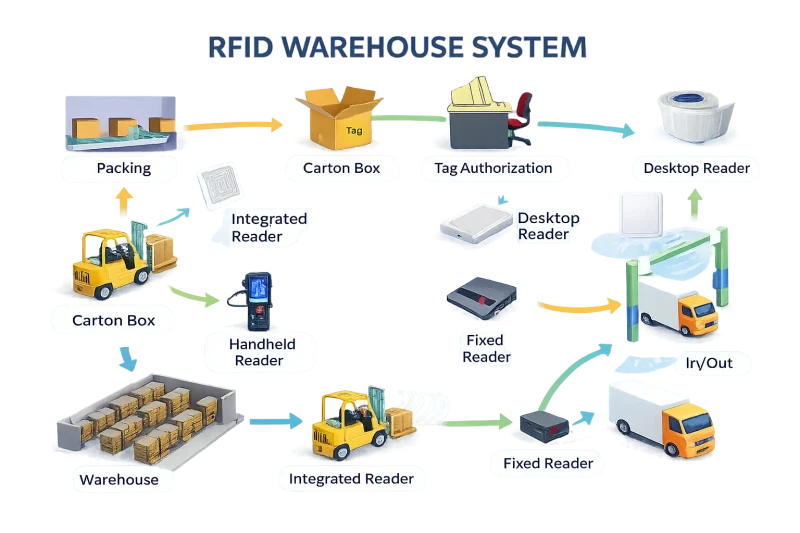
1. When items are stored, RFID tags are affixed to the items, which usually contain a unique identification code and possible other information such as product type, batch number, etc.

2. After labeling, the staff will scan each item to prepare for subsequent management. And this ensures that each item has a unique identifier for easy tracking and management.

3.The received data is stored in the database, and management personnel can monitor the location and status of items in real time through the warehouse management system.

4.Install a door type reader at the warehouse exit. When goods pass through the entrance, the reader can simultaneously recognize multiple tags and record the time and quantity of goods leaving the warehouse.

Best RFID Solution for Warehouse

Required equipment

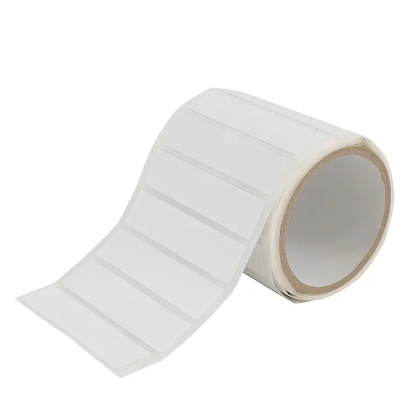
RFID Label

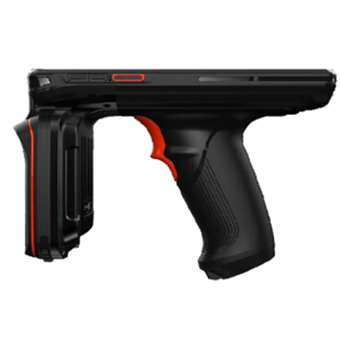
RFID UHF Hand-Held

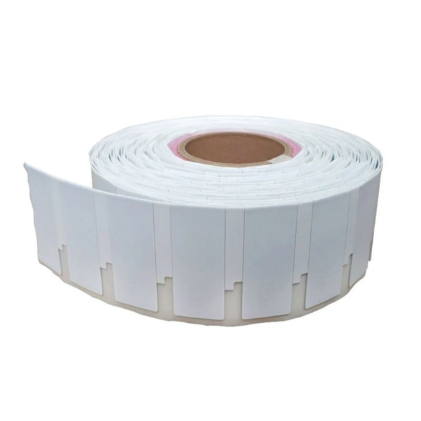
Soft Printable Anti-metal tag
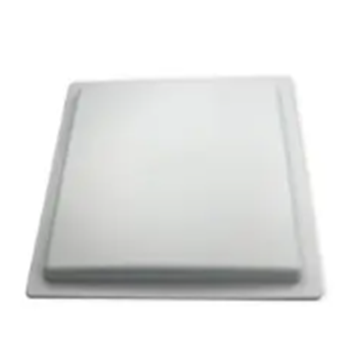
UHF 12dbi Antenna